

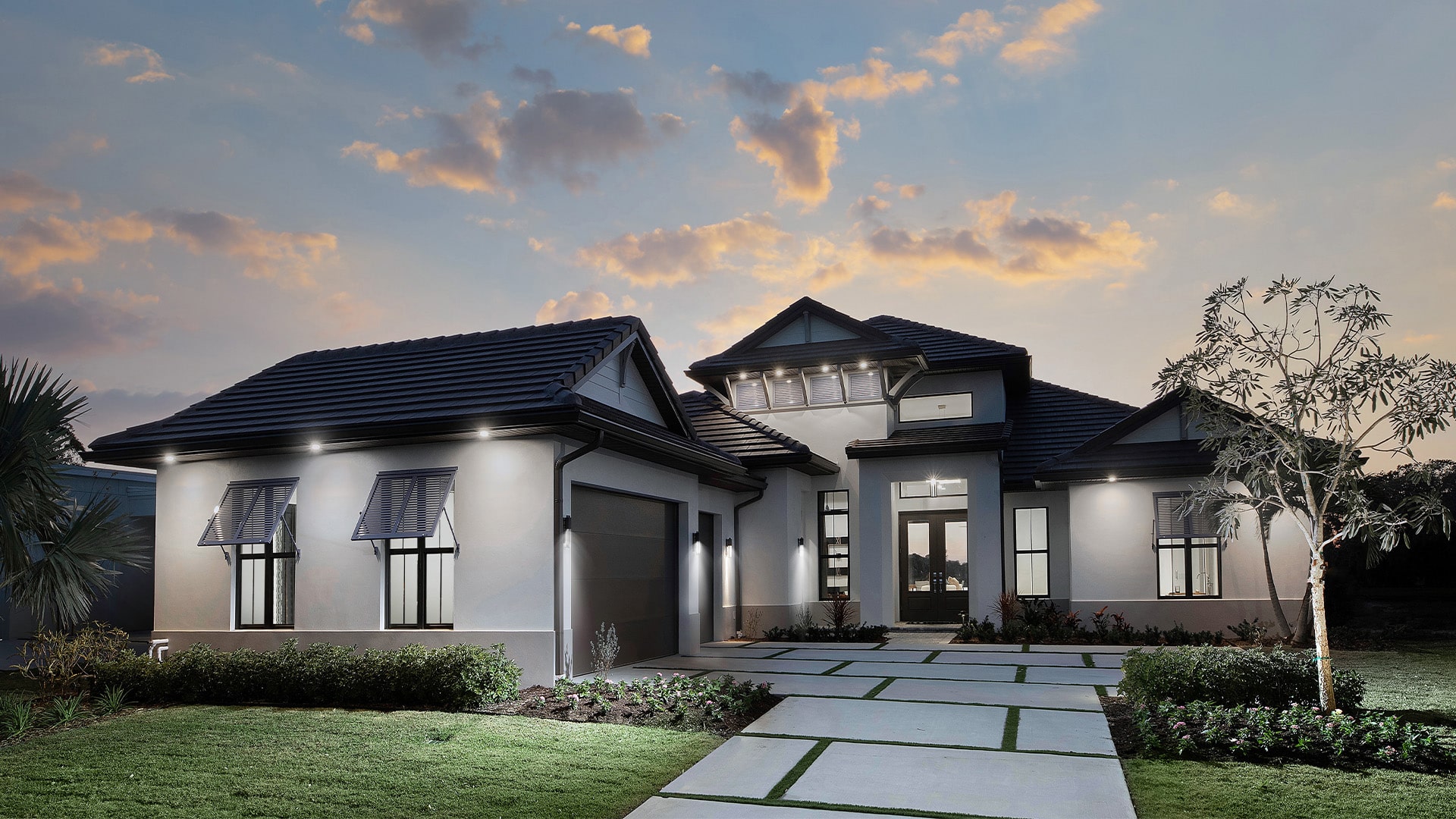
Budget surprises and second-guessing every decision can make a luxury build feel more stressful than exciting. Most owners wonder, “Are we doing this right, or missing something huge?” The custom home design process is where those worries either grow—or get handled with clear plans, numbers, and expectations. In this guide, we’ll show you what’s actually included, which early choices move your budget the most, and what a solid design package should contain. If you’re looking for the full end-to-end timeline, we covered it in our home building timeline guide.
This guide zooms in on the design phase—deliverables, budget levers, and green flags so you can move forward confidently with Aventiq.
What the “Concept Phase” Really Produces
The concept phase is where your ideas turn into something you can actually react to—without locking you into every detail. Think of it as the first clear snapshot of your future home, not just a stack of pretty pictures. A strong custom home design process turns your wish list, site realities, and budget into a focused LA design concept.
By the end of this stage, you should walk away with more than mood boards:
- A big-picture layout that shows how rooms connect and flow.
- Massing studies that hint at scale, form, and curb presence.
- Early notes on what’s realistic on your lot, and what isn’t.
- A rough alignment between design ambition and budget range.
If you leave concept design with only vague sketches and no context, you’re not getting the value you should from this phase.
The Deliverables Checklist (Ideas → Blueprint, No Surprises)
A luxury home isn’t designed on vibes alone. A solid custom home design process moves in clear steps, with defined deliverables that keep everyone aligned. Use this as a quick checklist to see if you’re getting the right level of detail.
- Site analysis → Shows slopes, solar exposure, views, setbacks, trees, and utilities.
- What “good” looks like: diagrams that explain constraints and opportunities in plain language.
- Space program → Lists rooms, sizes, adjacencies, and priorities.
- What “good” looks like: a clear breakdown of needs vs. nice-to-haves so tough calls are easier.
- Schematic floor plans → Turn the program into actual layouts you can react to.
- What “good” looks like: 2D plans with furniture, circulation, and options for key decisions.
- Exterior elevations → Show massing, window patterns, rooflines, and overall style.
- What “good” looks like: views from key sides that match your design vision and the neighborhood.
- Preliminary selections → Early direction on windows, doors, roofing, key finishes.
- What “good” looks like: concept boards plus notes that explain cost tiers and lead time.
- Outline specs → High-level description of structure, envelope, systems, and finishes.
- What “good” looks like: written summaries that your builder can use for early pricing.
- Early engineering coordination → Brings structural, MEP, and architectural ideas into the same lane.
- What “good” looks like: a quick reality check so spans, cantilevers, and systems feel achievable.
When these pieces come together, ideas stop being abstract. You can see how the Los Angeles design-build process will carry your project from sketches into buildable plans.
The Budget-Changers in the Concept Stage
Most of your final cost is set long before anyone steps on site. The concept phase is where the big levers live, and understanding them keeps your custom home design process from drifting into “hope and chaos” territory.
Major cost drivers to watch:
- Total square footage and complexity
More corners, levels, and wings mean more structure, envelope, and systems. - Structural spans and cantilevers
Long, open rooms and big overhangs look amazing but can drive structural cost fast. - Glazing extent and door systems
Floor-to-ceiling glass, large sliders, and multi-panel doors are beautiful—and pricey. - Ceiling heights, stairs, and framing system
Double-height spaces, feature stairs, and specialty framing add both drama and dollars. - MEP complexity and smart home layers
Zoned HVAC, integrated audio, shading, and security elevate comfort and cost. - Site conditions: grading, soil, access
Steep or tight sites often require more retaining, foundations, and logistics.
Two common watch-outs that trigger redesign:
- Falling in love with a design before seeing realistic pricing.
- Making major scope additions (extra level, new wing) after layouts feel “done.”
If your team isn’t talking openly about these levers during concept, that’s a red flag.
Design Timelines — How to Know You’re On Track
Every project is different, but healthy design timelines tend to follow a similar rhythm. You start wide, explore options, then narrow down until plans feel stable enough for detailed pricing and permits.
You’re usually on track when:
- Concept decisions are getting clearer, not fuzzier, as you move forward.
- Your space program and layout aren’t changing every week.
- There’s a feedback loop between design and pricing, not guesswork.
- Revisions are refining details, not rewriting the entire house each round.
- You can see a path to a permit-ready set, not just endless “what ifs.”
A good Los Angeles design-build process will explain where you are on the map: concept, schematic, design development, then permit documents—so you don’t feel lost in the middle.
Plan a Home Design the Right Way (So You Don’t Redo Them Later)
The fastest way to waste time and money is to rush through design, then “fix” things during construction.
A strong custom home design process builds in a loop:
concept → pricing reality check → refined design.
This is where involving your builder early matters. When your architect and construction team coordinate, you plan a home design package that matches both your vision and your budget. Structural ideas get sanity-checked, window walls get priced, and systems are sized with real numbers, not wishful thinking.
That’s how you avoid tearing up drawings later—and keep momentum heading toward permits and construction.
Quick FAQ
Q. When do I choose finishes?
A. You’ll set general direction during concept, then refine specific finishes as plans move into detailed design and pricing.
Q. Do I need engineering in concept?
A. You don’t need full calculations, but early structural and MEP input keeps your design realistic and helps control cost.
Q. What should I approve before moving forward?
A. Confirm floor plans, elevations, main materials, and overall budget range before your team turns the design into a full permit set.
Custom home design process
A luxury home should feel intentional, not accidental. When the custom home design process includes clear concept deliverables, honest budget conversations, and steady progress on drawings, you walk into construction with confidence—not crossed fingers. If you’re ready to map out your own design path, contact us at Aventiq Development Group to schedule a consultation and start a focused design discovery call. We’ll connect your vision to a smart plan, realistic numbers, and a clear next step into architectural design services and construction planning that actually work for your Los Angeles home.