

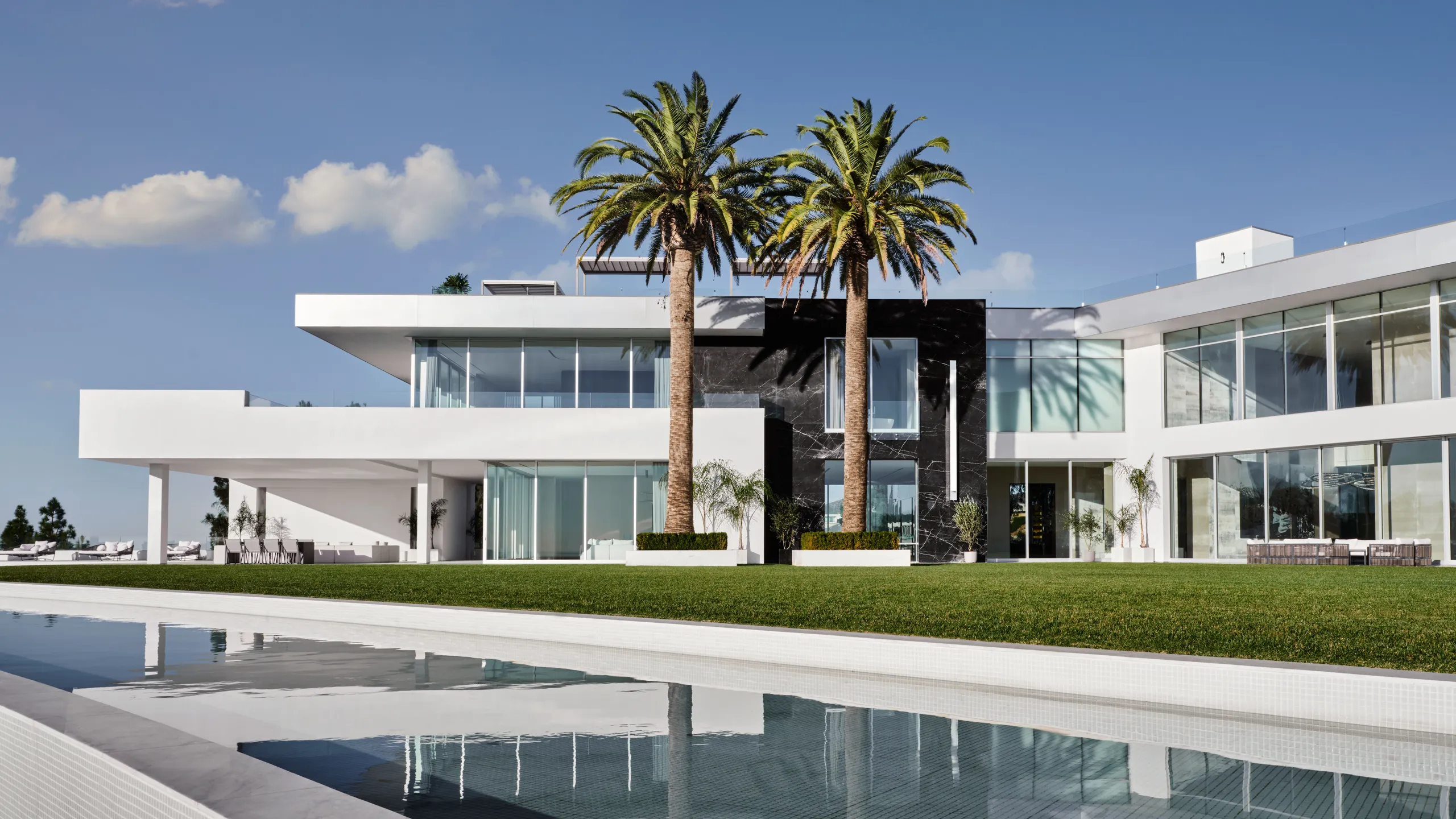
Planning a new build in Los Angeles can feel like shopping with unlimited aisles. Every showroom has a “must-have,” and it’s easy to worry your home will look dated before you even move in. The fix is simple: decide what you want your house to do for your life, then pick features that support it. In this guide, we break down the new home construction trends we hear about most for 2026. You’ll get 12 features LA homeowners are requesting and the problem each one solves, plus a smart note on timing or complexity. Bring this list to your next design meeting, and you’ll sound clear, not overwhelmed, right away.
What’s Driving 2026 New Builds in Los Angeles
Los Angeles homeowners aren’t asking for “flash.” They want homes that stay comfortable, flexible, and easy to run. When we map scope and budget, three forces shape most requests:
- Energy costs + heat resilience: tighter envelopes and efficient systems help rooms stay steady.
- Hybrid living: spaces pull double duty for WFH, guests, and workouts.
- Smarter systems: simple controls beat a wall of switches.
That’s the real story behind today’s new home construction trends—and it’s also why the latest trends in new home construction 2026 feel so practical in LA.
12 New Home Construction Trends LA Homeowners Want in 2026
These are the latest trends in new home construction 2026 we hear most often in LA, with a quick “why” and a planning note.
1. High-Performance Windows + Upgraded Insulation Packages
What it is: This approach combines stronger, higher-performing windows with upgraded insulation and tighter air sealing throughout the home.
Why: It reduces outside noise, minimizes drafts, and helps maintain even temperatures from room to room.
Smart note: This decision should be made early because it directly affects HVAC sizing and overall system performance.
2. All-Electric Readiness (Heat Pump Hvac + Heat Pump Water Heater)
What it is: The home is designed to use heat pump systems for both heating, cooling, and hot water instead of gas-based equipment.
Why: This setup delivers efficient, comfortable performance while supporting an electrification-friendly future.
Smart note: Equipment locations and electrical capacity should be planned upfront to avoid layout or power constraints later.
3. Solar + Battery “Future-Ready” Rough-In
What it includes: This involves planning the roof layout, conduit paths, and space for a future inverter and battery system.
Why: It makes adding solar panels and backup power much easier and cleaner down the line.
Smart note: Roof orientation and wiring routes should be resolved during concept design, not after construction starts.
4. Ev Charging + Panel Capacity Upgrades
What it is: The home is prepared for Level 2 EV charging with sufficient electrical panel capacity.
Why: This prevents costly electrical upgrades after move-in when an EV charger becomes necessary.
Smart note: This works best when coordinated with all-electric equipment decisions.
5. Flexible Rooms (Office/Gym/Guest Suite)
What it is: One room is intentionally sized and wired to shift between uses like an office, gym, or guest space.
Why: It keeps the floor plan functional as work needs, family size, or routines change.
Smart note: Adding extra outlets, data wiring, and sound control now avoids limitations later.
6. Adu-Friendly Planning (Layout + Utilities Strategy)
What it is: The main home is designed with a layout and utility strategy that can support a future ADU or JADU.
Why: This allows for rental income, family housing, or private guest space without major redesign.
Smart note: Early utility mapping can significantly reduce approval delays and construction costs later.
7. Indoor–Outdoor Living That Actually Functions (Shade + Wind + Privacy)
What it is: Outdoor areas are designed with shade, wind protection, and privacy built into the layout.
Why: These features make outdoor spaces comfortable and usable for much more of the year.
Smart note: Orientation, sun exposure, and neighboring homes should guide these decisions early on.
8. Wellness Features (Better Air Filtration, Low-Voc Materials)
What it is: The home includes improved air filtration, balanced ventilation, and healthier finish materials.
Why: This creates cleaner indoor air with fewer odors, less dust, and a fresher overall feel.
Smart note: HVAC design, paints, flooring, and finishes should be aligned from the start to work together.
9. Smarter Kitchens (Pantry Design + Appliance Planning)
What it is: The kitchen is planned around realistic pantry storage and properly specified appliances.
Why: This keeps counters clearer and makes daily cooking and storage more efficient.
Smart note: Appliance sizes and requirements affect power, venting, and cabinetry, so they must be selected early.
10. Water-Smart Landscaping + Efficient Fixtures
What it is: The design incorporates drought-tolerant landscaping, drip irrigation, and water-efficient fixtures.
Why: It reduces water use, lowers ongoing maintenance, and supports long-term sustainability.
Smart note: Grading, drainage, and irrigation should be coordinated during site planning, not afterward.
11. Low-Maintenance Exterior Materials (Fire/Heat Considerations)
What it is: Exterior materials are selected for durability and performance in heat- and risk-prone environments.
Why: These choices reduce long-term maintenance and improve resilience over time.
Smart note: Material priorities should be based on site conditions, climate, and budget early in design.
12. Custom Home Technology: Lighting, Security, Shades, And Monitoring (Done Cleanly)
What it is: These custom home technology includes thoughtfully integrated technology for lighting, security, shades, and monitoring.
Why: It improves comfort and safety while keeping controls simple and uncluttered.
Smart note: Prewiring and device placement should be planned early to avoid visible hardware and retrofits.
Quick Prioritization Guide
When choices stack up, pick what avoids expensive rework first. Then add the awesome house features you’ll use daily.
If Budget Is Tight, Start Here:
- High-performance windows + upgraded insulation packages
- EV charging + panel capacity upgrades
- Flexible rooms (office/gym/guest suite)
If Comfort + Long-Term Value Is The Goal, Prioritize These:
- All-electric readiness (heat pumps)
- Solar + battery “future-ready” rough-in
- custom home technology planned cleanly
This filter keeps new home construction trends from turning into a random shopping cart.
Next Step
Ready to turn ideas into a buildable plan? Book a consultation and feasibility call with Aventiq Development. Bring your lot, a rough budget range, and your must-have list. We’ll help you prioritize the new home construction trends that fit your site, timeline, and lifestyle, so the latest trends in new home construction 2026 don’t distract from what you truly need. Contact us to get on the calendar.